Addiction recovery is not a single event with a clear finish line. It is a sustained process that requires ongoing effort, continued self-awareness, and real connection with others who understand what it involves.
One of the less-discussed but genuinely valuable parts of that process is continued education, whether through formal recovery conferences, community-based learning, or peer-led gatherings that bring people together around shared knowledge.
For residents of Carmel Hamlet, NY, and the broader Putnam County area, staying informed and connected plays a real role in how people sustain their recovery over time. At Arms Acres, our professional drug rehab team believes that learning does not stop when treatment ends, and we build that belief into how we support people both during and after care.
Why Ongoing Education Matters in Addiction Recovery
The early weeks after completing treatment are some of the most fragile in any recovery. One reason is the loss of structure. Inside a treatment facility, days are organized around clinical programming, group sessions, and supervised activity. When that structure falls away, a person can feel uncertain about how to organize their time, thoughts, or emotions.
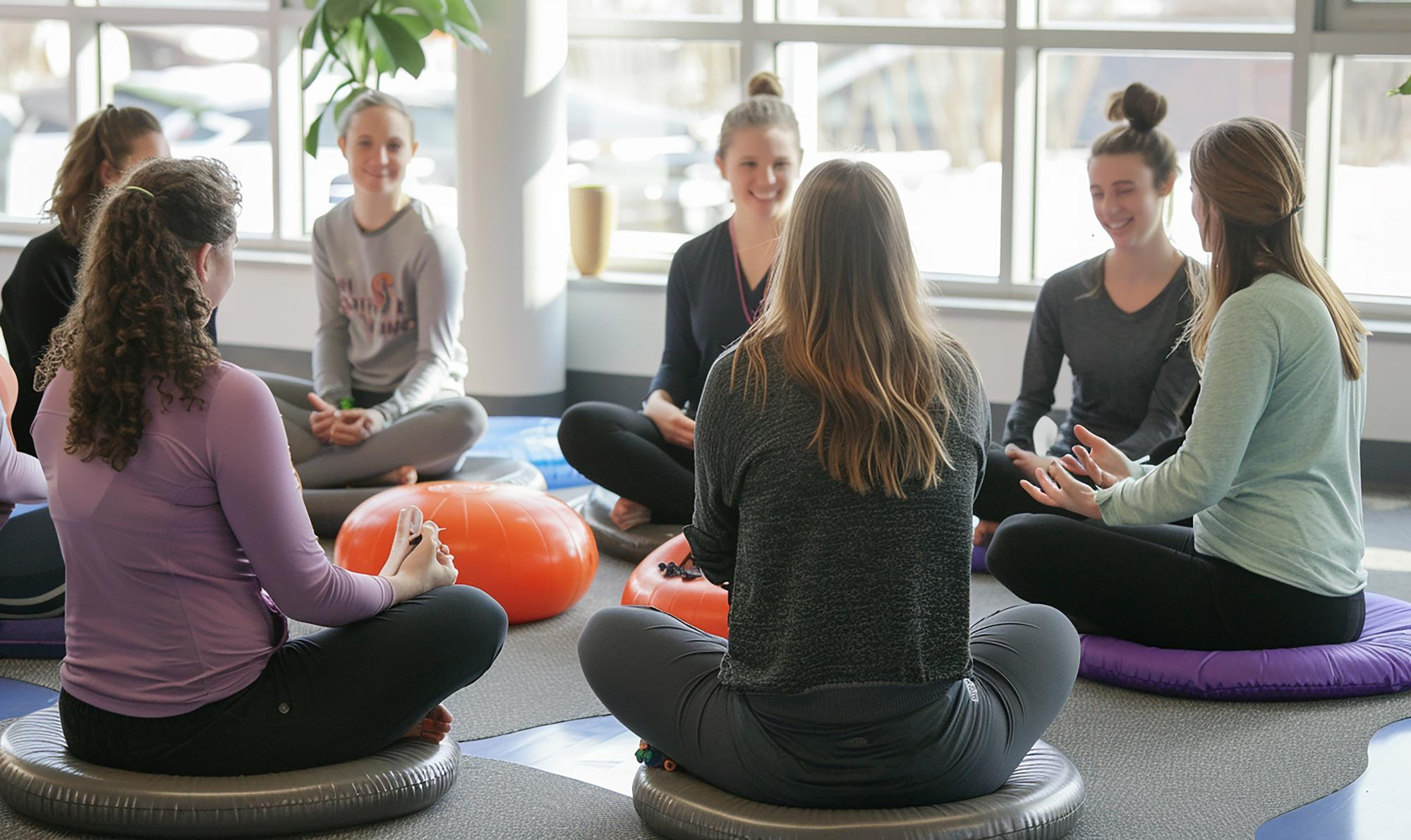
Ongoing education, whether through workshops, peer-led sessions, or organized recovery conferences, provides a new kind of structure. It gives people:
- A reason to show up somewhere
- Engagement with material that is relevant to their lives
- Connection with others who are navigating the same challenges
Having all three at once is not incidental. For many people in recovery, that combination becomes a reliable anchor between clinical appointments.
Education also builds self-understanding. When someone learns more about:
- How addiction affects the brain
- What triggers look like
- How evidence-based therapies like Cognitive Behavioral Therapy (CBT) work
They are better equipped to recognize patterns in their own behavior before those patterns lead somewhere difficult. Knowledge is not a substitute for clinical care, but it supports it in ways that are hard to replicate through any other means.
What Recovery-Focused Education Looks Like in Practice
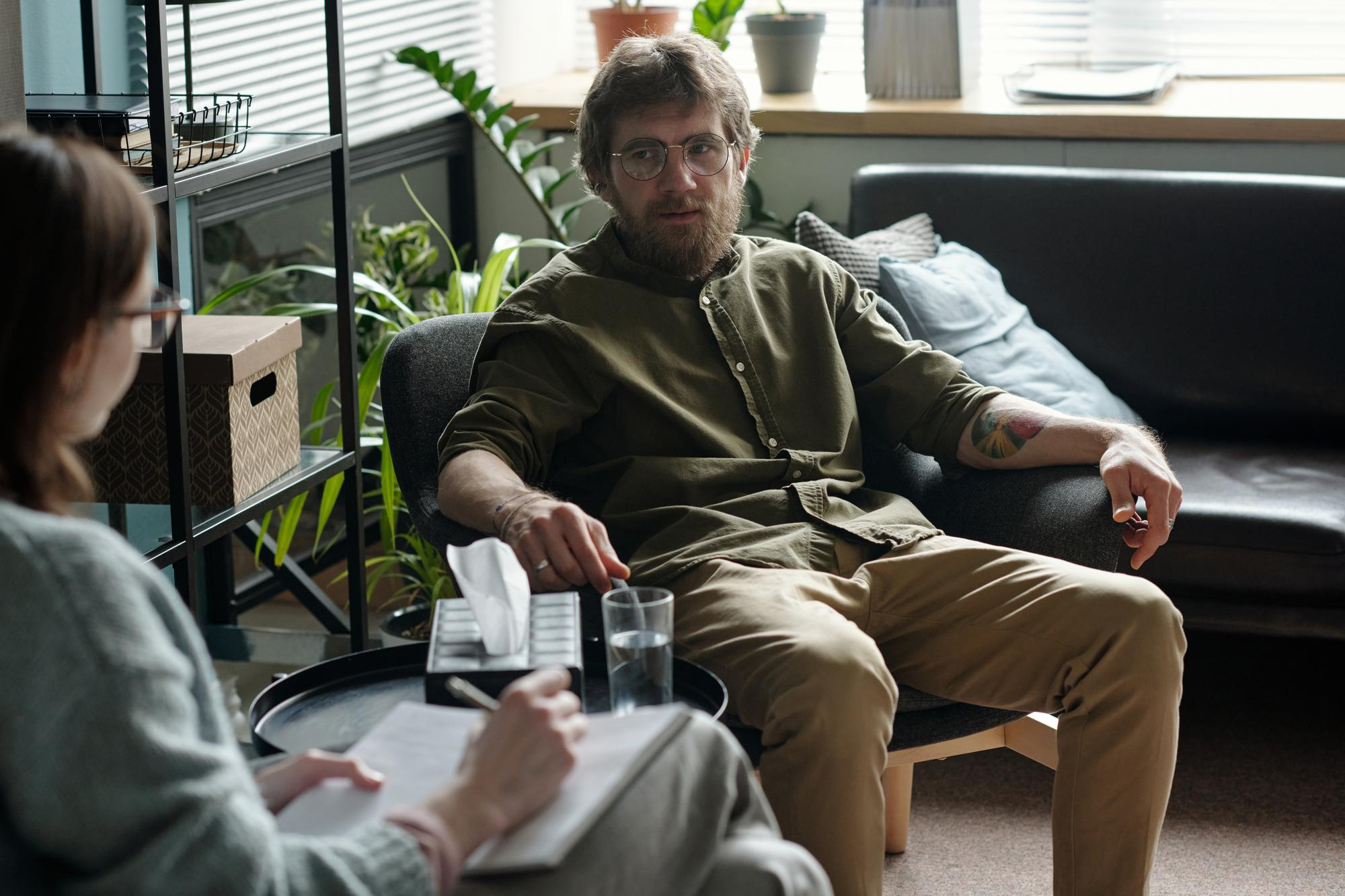
Recovery education takes many forms. Some of it happens in outpatient settings, where counselors and clinical staff provide psychoeducation as part of regular sessions.
Psychoeducation is the practice of teaching patients about their condition, treatment options, and the science behind their symptoms, so they understand what is happening and why treatment works the way it does.
Other education happens more informally. Recovery conferences, alumni gatherings, and community-based programming bring people together to hear from speakers, share experiences, and discuss what sustained recovery looks like in real life. These settings tend to be less clinical in tone but no less meaningful in impact.
A person who hears another person articulate their early recovery experience in plain language often walks away with insight that no worksheet or curriculum could provide. Informal learning like that often does work that structured programming cannot, because people engage with it differently when it does not feel clinical.

The Role of Conferences in Long-Term Recovery
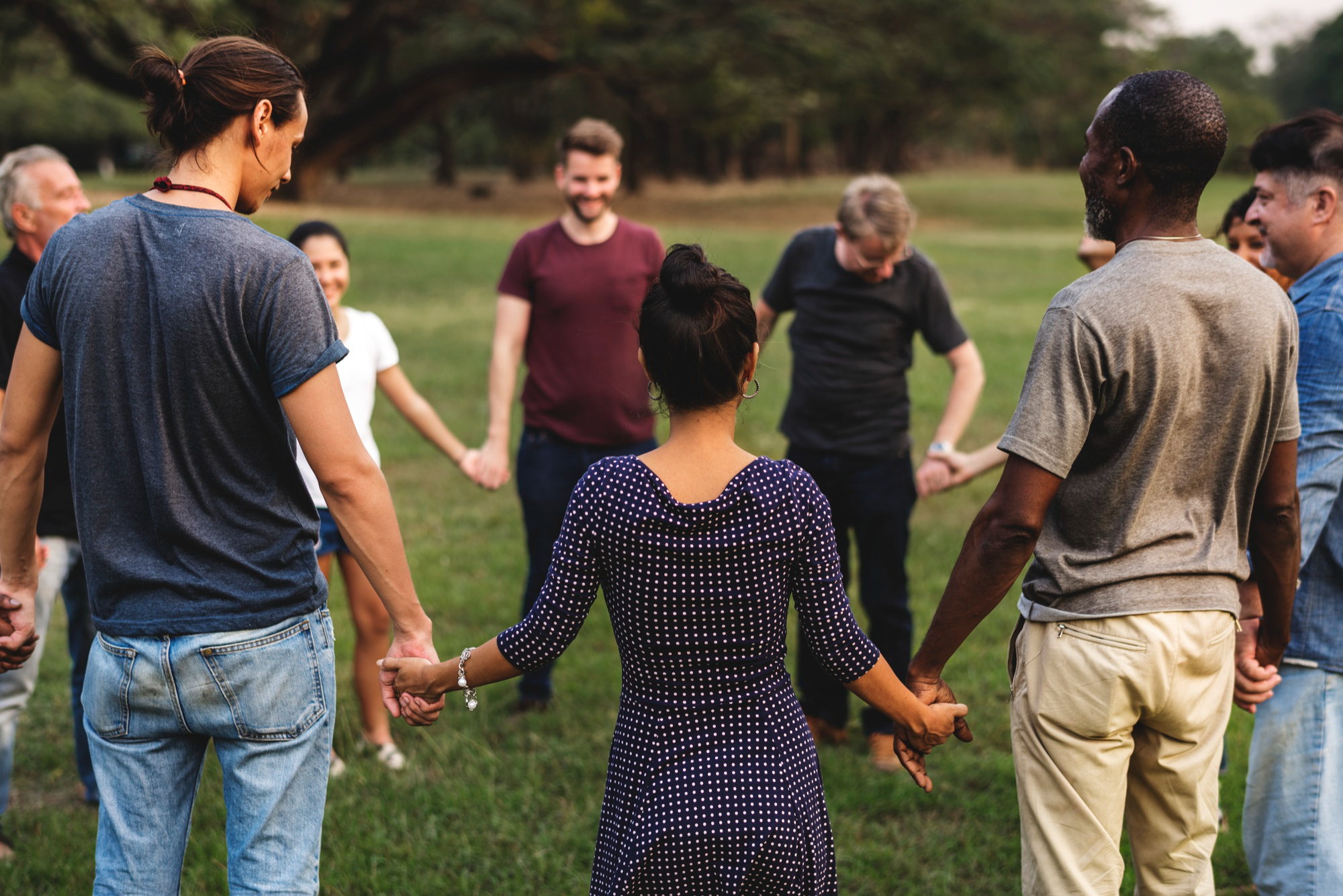
Recovery-focused conferences serve a specific purpose that ongoing outpatient treatment alone does not always meet. They offer exposure to a broader community, new perspectives from people at different stages of recovery, and a sense that recovery is not an isolated personal struggle but a shared experience supported by a large, active community.
For people in Carmel Hamlet, NY, attending a conference, whether local or regional, can interrupt the isolation that often accompanies early recovery. Social isolation remains one of the most consistent risk factors for relapse.
When someone is surrounded by people who are also working on their recovery, who understand the language and the challenges without needing them explained, the social environment itself becomes protective.
Being in a room full of people who get it, without having to explain anything, changes the emotional landscape of recovery in ways that are difficult to manufacture through individual effort alone.
How Education Supports Mental Health Alongside Addiction
Many people in recovery are also managing co-occurring mental health conditions. The following frequently occur alongside substance use disorder (SUD):
- Depression
- Anxiety
- Post-traumatic stress disorder (PTSD)
- Bipolar disorder
This is called dual diagnosis, and it is more common than people often realize.
Education about mental health plays a central role in recovery for people with dual diagnosis. Understanding how depression or anxiety can fuel the urge to use substances, and learning what that cycle looks like from the inside, helps people respond to it more deliberately rather than reactively.
For that reason, our inpatient program integrates psychiatric services directly into treatment. We treat both conditions within the same program rather than referring patients elsewhere. Education reinforces the foundation of integrated clinical care and helps people carry that understanding into daily life after discharge.
Building a Recovery Community Through Shared Learning
One of the most consistent findings in research on long-term recovery is that social connection matters. People who maintain strong recovery-supportive social networks over time have better outcomes than those who try to manage recovery in isolation. Educational events and conferences build that network directly.
If you have ever wondered what happens after alcohol rehab, a big part of the answer is this: the people who do well tend to stay connected.
When people come together around a shared purpose, whether that is a conference session on Medication-Assisted Treatment (MAT) or a community event organized by a local recovery organization, they are building relationships with others who share their experience and goals.
Those relationships become part of the informal support structure that holds a recovery together between clinical appointments. What starts as a conference becomes a contact, and what starts as a contact becomes part of the community a person depends on.
What We Offer to Support Continued Learning
At Arms Acres, continued learning is part of how we support recovery beyond the inpatient stay. Our monthly Alkathon alumni program brings people who have completed treatment back to our Carmel, NY campus to share their experience with others who are still in the earlier stages of recovery.
That peer-to-peer exchange is itself a form of education, one grounded in lived experience rather than curriculum.
We also provide programming throughout our inpatient rehabilitation, including psychoeducation, group sessions on relapse prevention, and structured learning about the clinical methods used in treatment.
Our outpatient clinics in the Bronx and Carmel offer continued therapeutic support that reinforces the learning that begins during inpatient care. For families in Carmel Hamlet and across Putnam County, our main campus is located at 75 Seminary Hill Road, Carmel, NY 10512.
Related Topics: