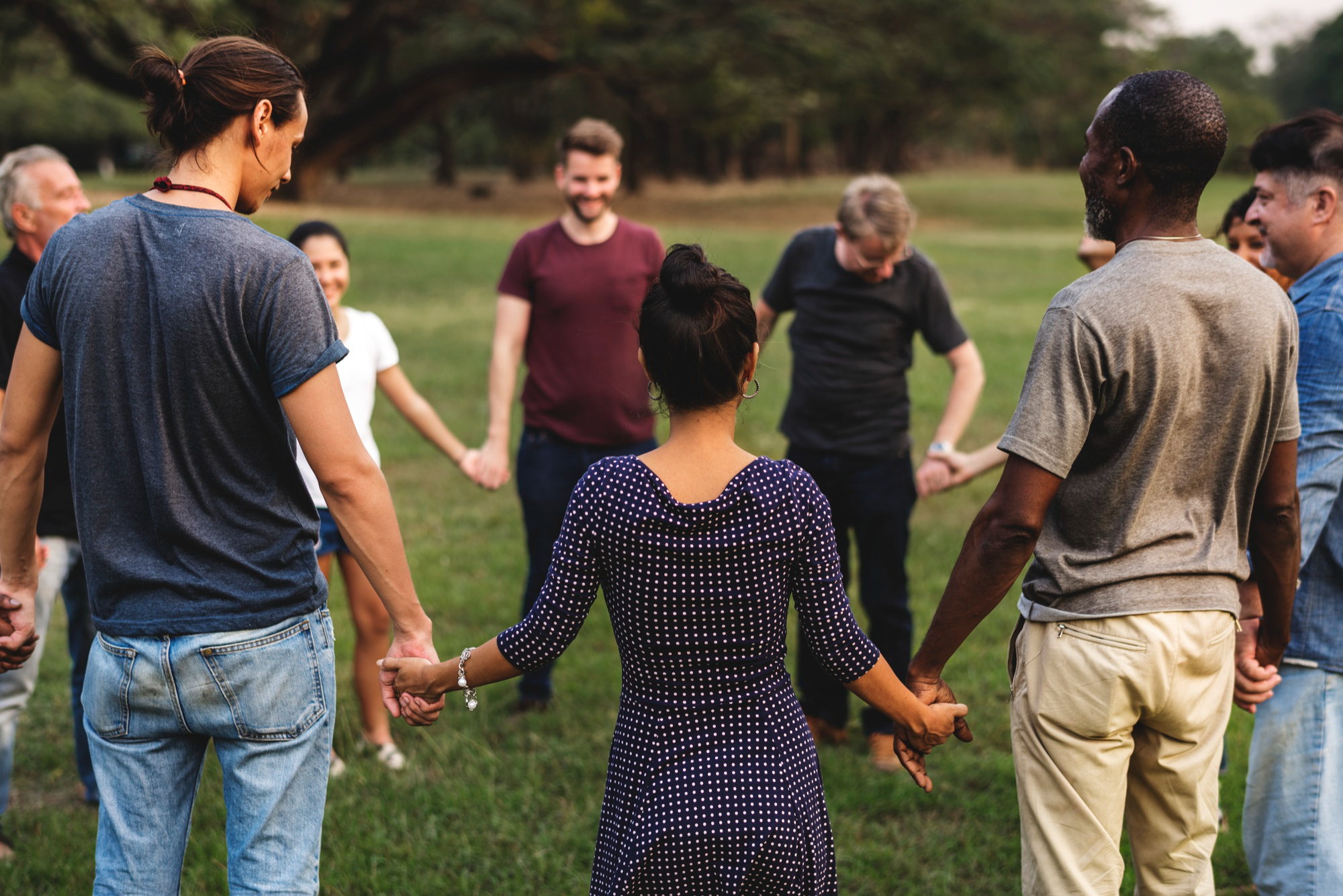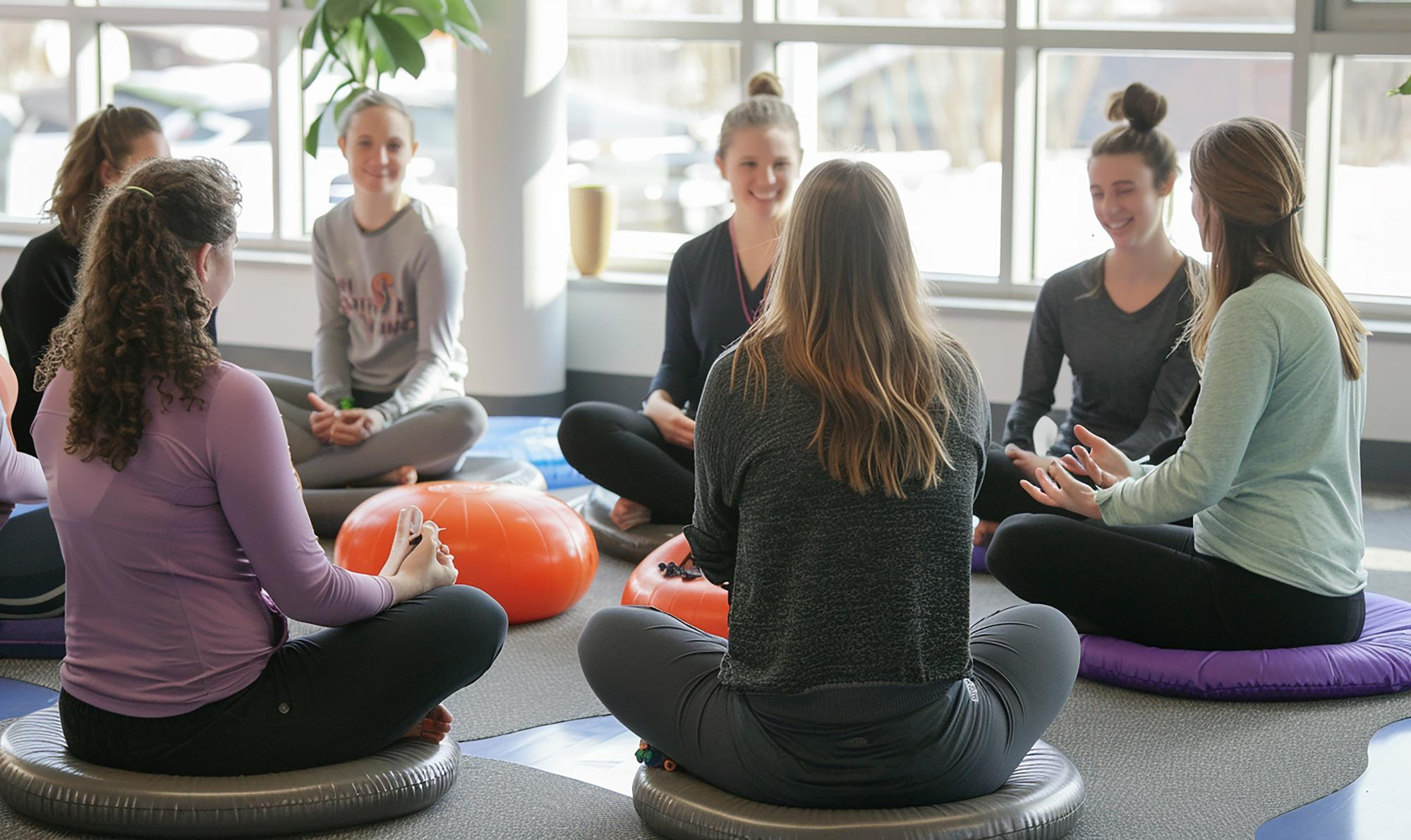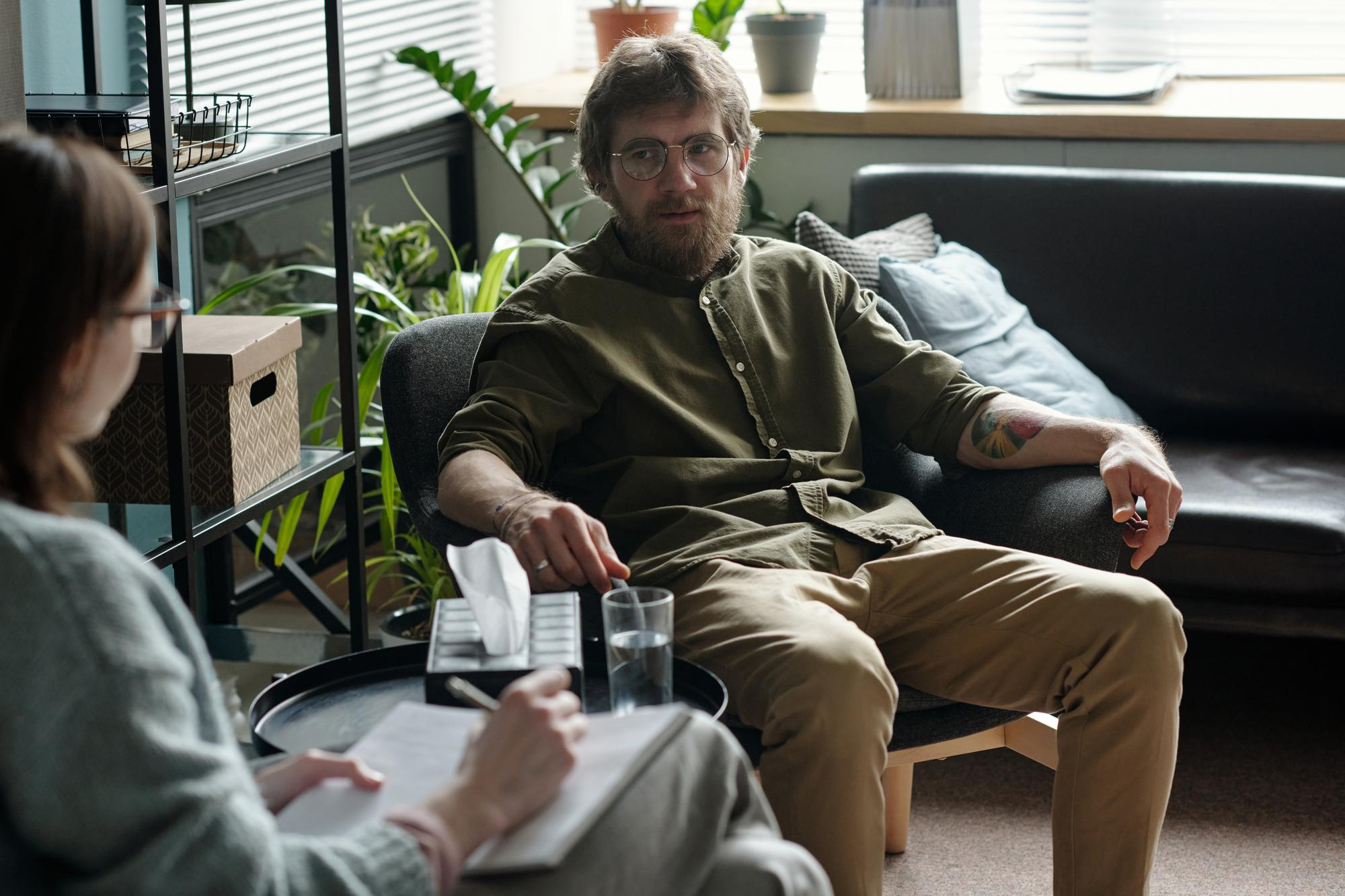
Addiction does not only affect the person using substances. It reshapes every relationship in the household. Patterns of deception, withdrawal, and conflict build up over months or years, and by the time someone enters treatment, many families are carrying a weight of broken trust, unspoken pain, and communication habits that have hardened around the addiction itself.
Rehabilitation addresses the clinical dimensions of substance use disorder (SUD) through medically supervised detox, evidence-based therapy, and continued outpatient support. But for many patients and their families, the relational damage that addiction leaves behind also needs direct attention.
Communication skills training is one way treatment programs support family healing during the rehabilitation process. Our experienced drug rehab team at Arms Acres in Carmel, NY, includes family involvement in how we approach care because recovery is not only an individual process.
Why Communication Breaks Down During Active Addiction
When a person is actively using substances, the dynamics in their closest relationships shift in ways that often go unrecognized until someone examines them. Trust erodes gradually. Loved ones learn to anticipate dishonesty, cover for the person using, and manage household life around the unpredictability that comes with active addiction.
Over time, those adaptations become patterns and eventually become the family's default way of relating to each other.
The person in active addiction often develops their own defensive communication habits. Minimizing the severity of use, deflecting questions, and avoiding conflict become reflexes. None of this happens because anyone is malicious.
It happens because addiction changes how people interact with those closest to them, and the people around the person using eventually adapt their own behavior to match. By the time someone enters treatment, the relational patterns in the family are often just as entrenched as the addiction itself.
What Communication Skills Training Actually Involves
Communication skills training in a treatment context is not about learning how to argue more effectively. It is about identifying the patterns that have formed around addiction and replacing them with more direct, honest, and respectful ways of speaking and listening to each other.
Specific skills that tend to be addressed include:
- Active listening
- Expressing feelings without accusation
- Setting limits clearly
- Managing high-emotion conversations without escalating into conflict
For family members, training also covers:
- How to express concern without enabling
- How to hold a position while maintaining compassion
- How to respond to a loved one's emotional state without absorbing it entirely
None of these skills come naturally in relationships that have spent years under significant stress. But they are learnable, and evidence shows they support long-term recovery outcomes.

How Families Benefit During the Rehabilitation Process
Family members often arrive at the rehabilitation process carrying their own emotional burden. Many have been managing a crisis for months or years before treatment begins. They may feel relief that their loved one is receiving care, but they are also often exhausted, frustrated, or uncertain about how to relate to someone who is changing.
Communication skills training gives those family members a structured way to engage with that transition rather than leaving them to figure it out on their own. Key benefits include:
- Replacing entrenched patterns with ones more likely to support recovery
- Learning to express personal needs and limits clearly without threatening or withdrawing
- Creating a more stable relational environment for a returning patient's early recovery
Environmental stability after discharge matters more than people often expect. Research consistently shows that the quality of family relationships during early recovery significantly affects whether sobriety holds over time.
The Connection Between Communication and Long-Term Recovery
The period immediately following inpatient discharge is one of the highest-risk periods for relapse. Stress, uncertainty, and difficult interpersonal situations are common triggers for substance use in people with SUD.
If someone returns home to a family environment where old patterns of conflict, blame, or silence are still operating, those patterns become stressors that the person in recovery has to navigate without the clinical support structure that surrounded them during treatment.
When families have done communication work during rehabilitation, that homecoming looks different. The conversations are less likely to spiral into the dynamics that preceded treatment. Both sides have more capacity for honesty and less reflexive defensiveness.
That does not mean communication is suddenly easy or that old wounds heal instantly. It means the family has tools they did not have before, and that changes what day-to-day life in early recovery can look like.
Family Healing as Part of the Treatment Plan
Recovery is a family process because what happens in the home environment directly affects the person in treatment. That is why the most effective treatment approaches do not treat the patient as separate from their relational context.
At Arms Acres, family therapy strengthens recovery in a way that is built directly into how we structure care. When family members are included in structured programming:
- They understand what the clinical team is working on
- They know how to communicate in ways that support rather than undermine recovery
- Their own emotional needs are acknowledged during the process
This approach makes the transition from inpatient care to home life considerably less disruptive for everyone.
Supporting Family Communication After Discharge
Rebuilding communication doesn't stop when a patient is discharged. Post-inpatient outpatient treatment at our clinics in the Bronx and Carmel provides continued clinical support, including individual and group therapy. That continued care gives both patients and families a place to bring the challenges that arise in early recovery and work through them with clinical guidance.
Patients can also stay engaged in structured activity through our fitness and recreation program, which gives early recovery a steady routine that supports the communication work happening in outpatient sessions.
Communication skills are not static. They develop over time through practice and real conversations, whether they go well or poorly. Having access to ongoing clinical support after discharge means families don't have to figure it out entirely on their own.
At Arms Acres, supporting the family system is part of how we support the individual patient. Our main inpatient campus is located at 75 Seminary Hill Road, Carmel, NY 10512.
Related Topics: