Addiction treatment is about more than stopping substance use. It is about working through the emotional and psychological patterns that built up around that use, sometimes over many years, and they do not just disappear after detox. That is, kind of, the part a lot of people do not expect going in.
One of the ways treatment programs address that bigger picture is through recreational therapy. Structured activities, whether physical, creative, or shared with others, give patients a way to process what they are going through outside of a clinical setting. It is a different kind of healing, but a real one.
For adults in Carmel Hamlet, NY, recreational therapy is not just something to fill the gaps between sessions. It is a purposeful part of how recovery actually works.
At Arms Acres, a trusted drug rehab center in New York, fitness and recreation programming is woven into the inpatient schedule because physical and experiential activity plays a direct role in getting people better.
What Recreational Therapy Actually Is
Recreational therapy is the use of structured activities, whether physical, creative, or social, as part of a planned treatment approach. The activities themselves vary widely and might include:
- Fitness programming
- Swimming
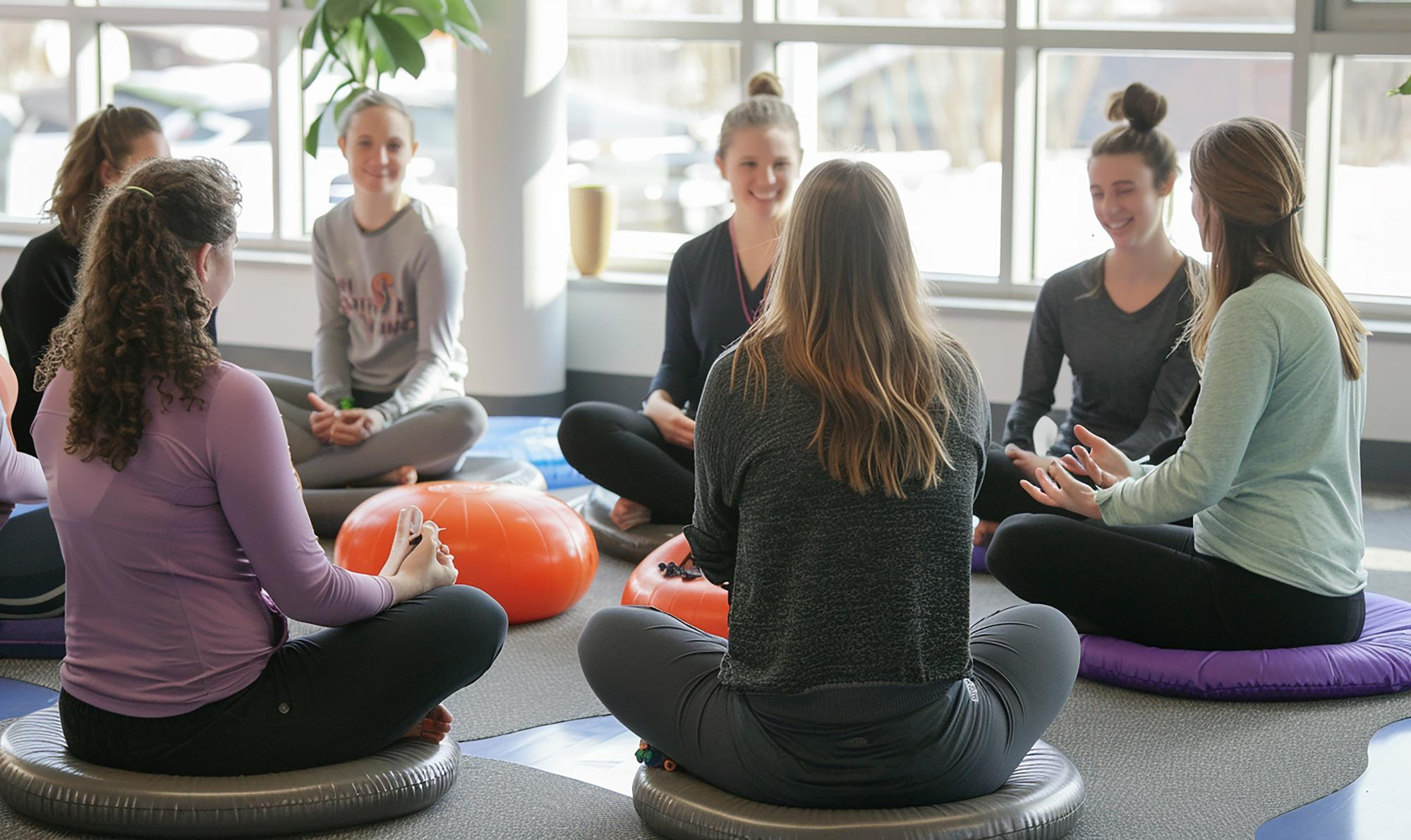
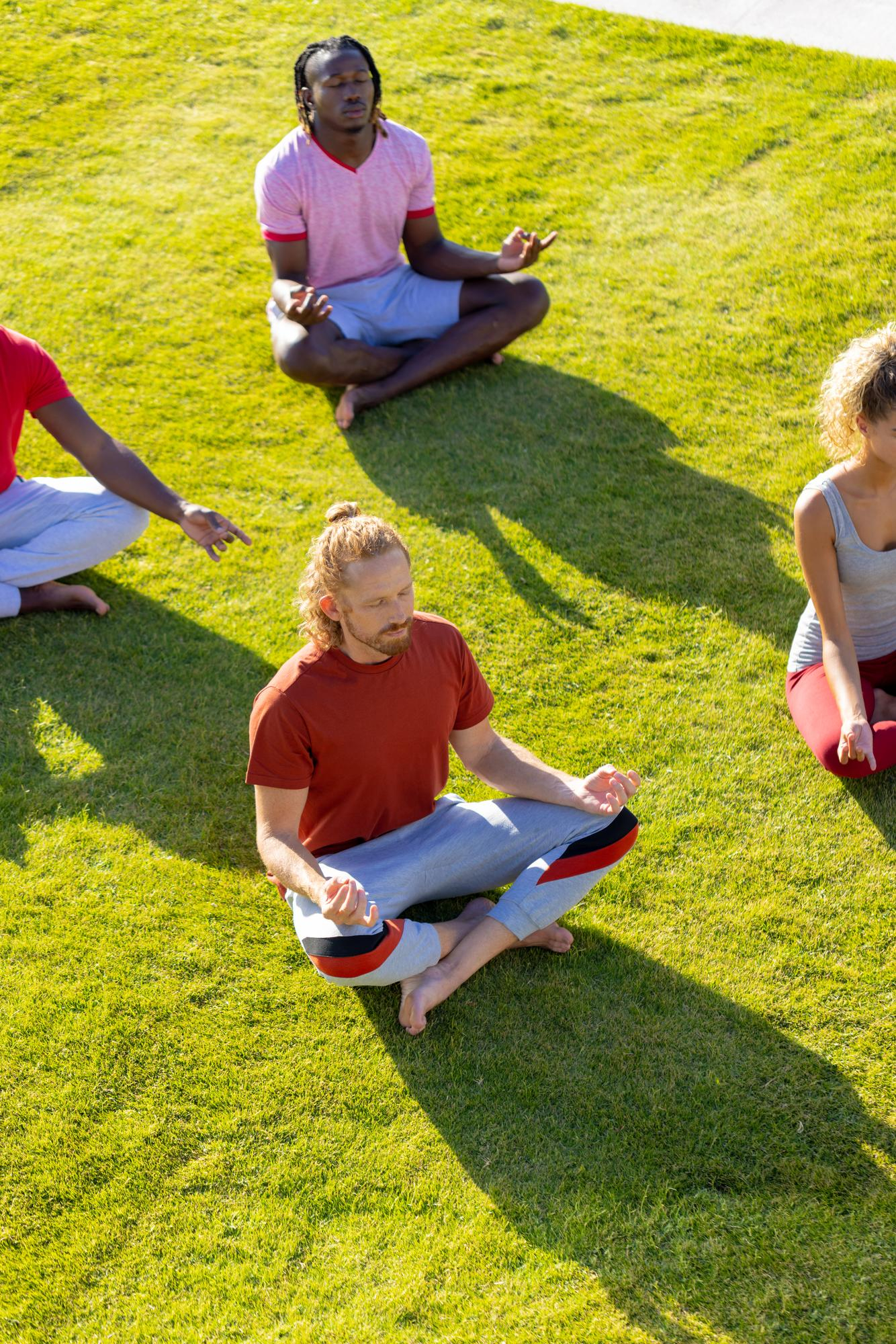
- Yoga
- Equine therapy
- Art therapy
- Organized group activities
What distinguishes recreational therapy from simple recreation is that the activities are selected with specific therapeutic goals in mind and carried out by qualified facilitators.
A facilitator assesses each participant's needs and identifies activities that will address particular aspects of their recovery:
- For someone working through trauma, equine therapy might be used to build trust and emotional regulation.
- For someone struggling to manage anger, structured physical activity serves as a healthy outlet and teaches self-regulation.
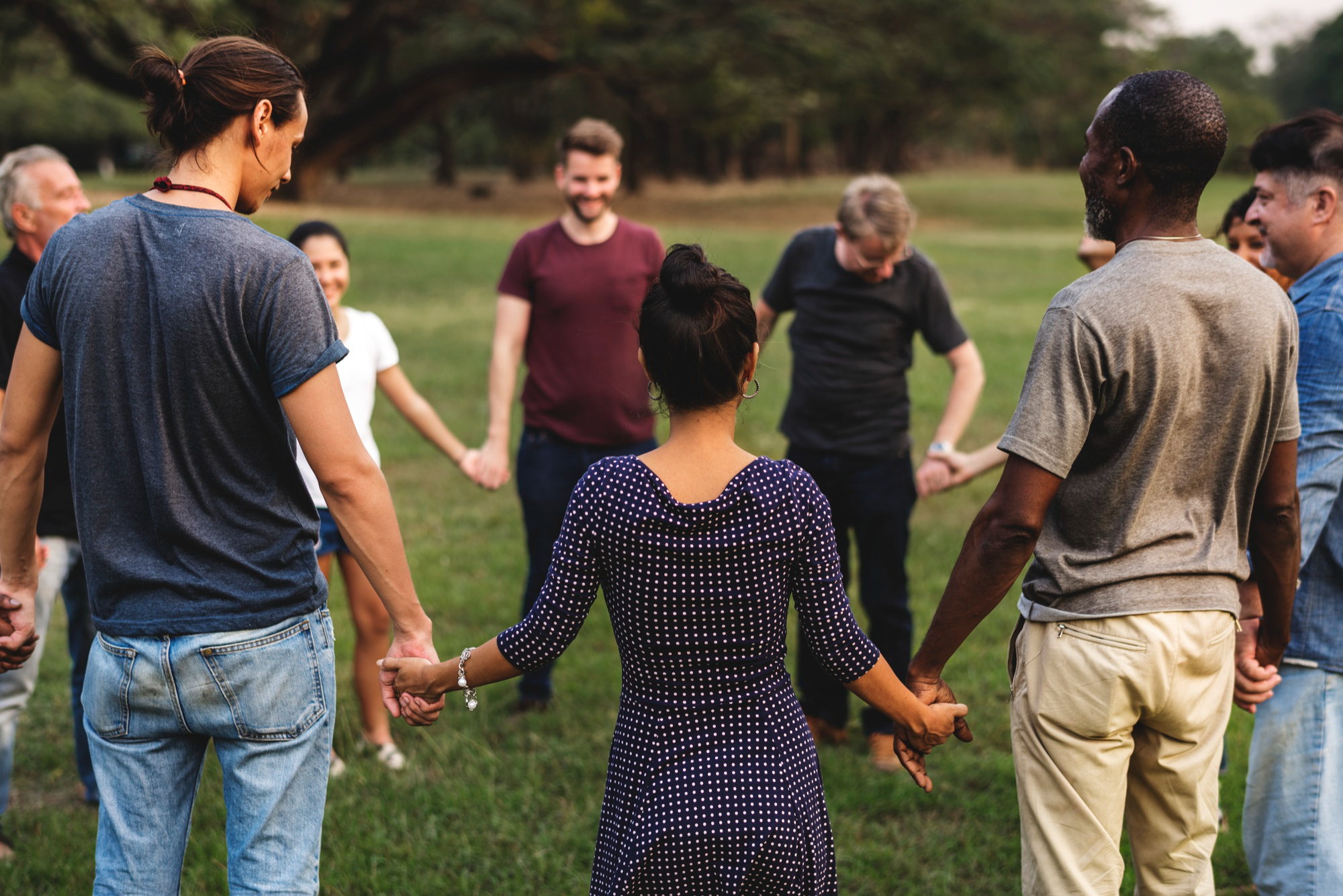
- For someone who has become socially isolated through years of addiction, group recreational activities rebuild the experience of positive social interaction in a supported setting.
The Emotional Benefits of Structured Recreation During Recovery
Addiction changes the brain's reward system. Over time, the brain reduces its natural dopamine production in response to everyday pleasures because the substance has provided that signal artificially and at a much higher intensity than normal activities can match.
When someone stops using substances, that dysregulation creates a period where ordinary life genuinely does not feel rewarding. Food, social interaction, and exercise feel flat or insufficient compared to what the brain has adapted to expect.
Recreational therapy is one of the tools that helps recalibrate that system:
- Physical activity increases endorphin production, reduces cortisol levels, and supports better sleep, all of which are directly relevant to the emotional challenges of early recovery.
- Equine therapy has been shown to support emotional regulation and improve interpersonal trust.
- Art therapy gives people a non-verbal channel for processing emotions that are difficult to articulate directly.
Each outcome speaks to something specific about what the brain and body go through during treatment.
Common Recreational Therapy Activities in Rehab Settings
The range of activities used in recreational therapy is broader than most people expect. Physical fitness programming, including structured exercise, swimming, and yoga, addresses the physiological side of emotional regulation and gives people a routine they can actually carry forward after discharge. That part matters more than it might seem at first.
The benefits of fitness and recreation programs go beyond just staying active. Equine therapy works on a different level entirely. Horses respond to emotional cues without judgment, creating an environment that's difficult to replicate anywhere else.
Art therapy, music, writing, and mindfulness practices also fit into the picture, each serving a specific purpose within the broader treatment plan. The goal across it all is not entertainment. It is building skills and habits that hold up long after treatment ends.
How Recreational Therapy Works Within a Full Treatment Plan
Recreational therapy in an inpatient day works alongside clinical sessions, not as a substitute for them. A patient's schedule typically includes:
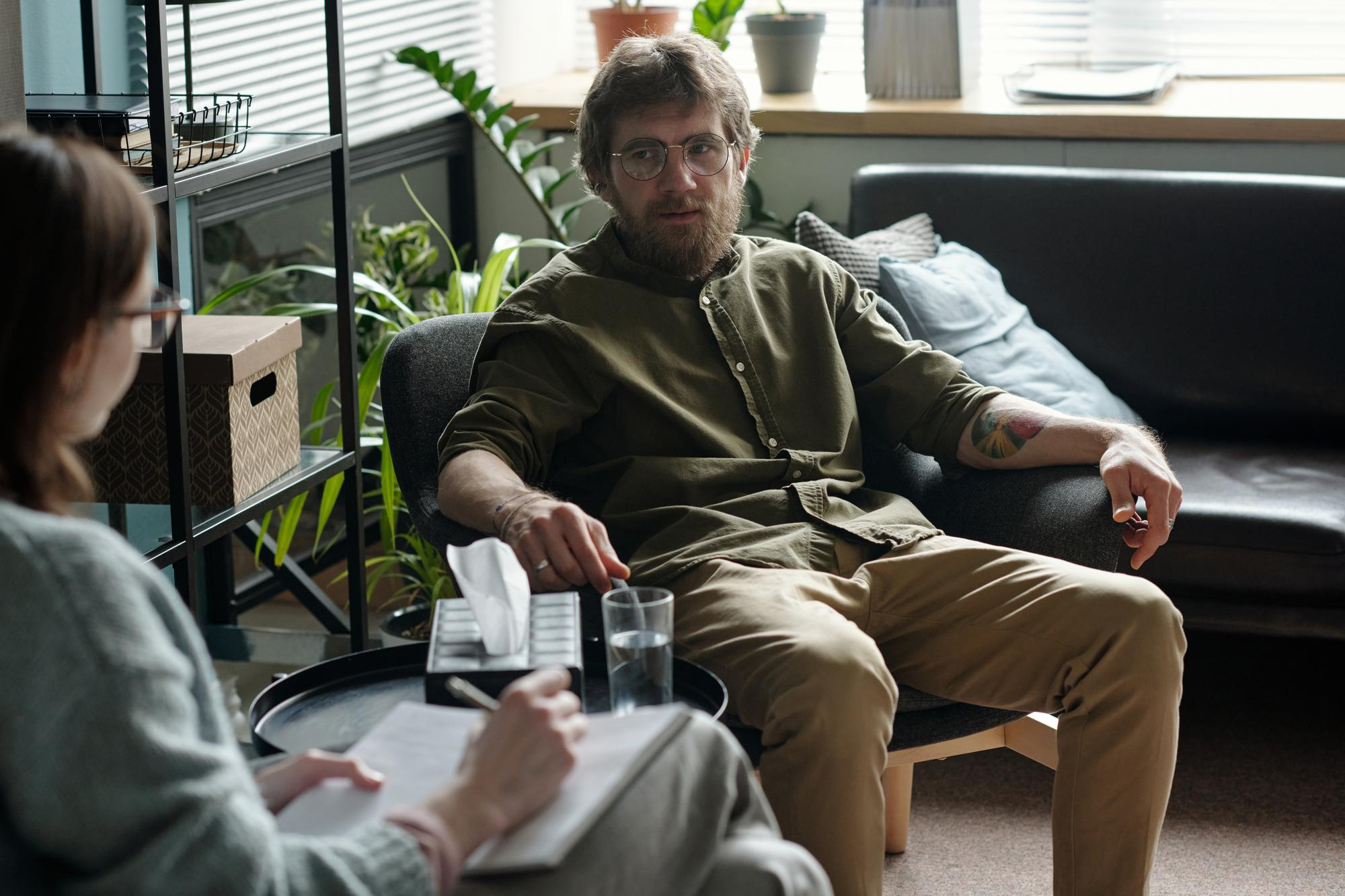
- Individual therapy using approaches like Cognitive Behavioral Therapy (CBT), Motivational Interviewing (MI), and Trauma-Informed Care (TIC)
- Group sessions
- Psychiatric consultations when needed
- Recreational programming
The recreational component of that schedule serves several functions at once:
- Provides physical outlets for stress and difficult emotions
- Builds routine and structure at a time when the absence of structure is one of the most significant relapse risks
- Offers social connection in a low-stakes setting that helps people rebuild confidence in their ability to interact with others without substances
- Opens a different pathway into therapeutic conversation for patients who struggle to engage verbally in clinical sessions
Physical Activity and Emotional Regulation in Recovery
The relationship between physical activity and emotional regulation is one of the most well-supported findings in behavioral health research. Regular exercise reduces symptoms of depression and anxiety, improves sleep quality, and builds a sense of physical capability and self-efficacy that many people in addiction treatment have not felt in years.
For people recovering from substance use disorder (SUD), establishing a physical routine during treatment has an additional benefit. It creates a daily habit that carries over into post-discharge life.
Someone who has spent weeks swimming, doing yoga, or working out as part of their inpatient schedule has a foundation for those practices at home that they did not have before treatment. That foundation matters because the early months after discharge are a period when maintaining healthy routines significantly reduces the risk of relapse.
Recreational Therapy at Arms Acres
At Arms Acres, our fitness and recreation program is a structured component of the inpatient treatment experience. Activities include swimming and yoga, along with other physical wellness programming.
Our equine therapy program uses horse-assisted activities to support emotional regulation and self-awareness in ways that complement the clinical therapy provided by our counselors and psychiatrists.
These programs serve clinical purposes and are selected and delivered as part of individualized treatment planning that reflects each patient's specific recovery needs. Our 54-acre campus in Putnam County provides the physical space to support a range of outdoor and recreational activities that contribute meaningfully to the healing process.
Our inpatient facility is located at 75 Seminary Hill Road, Carmel, NY 10512.
Related Topics: