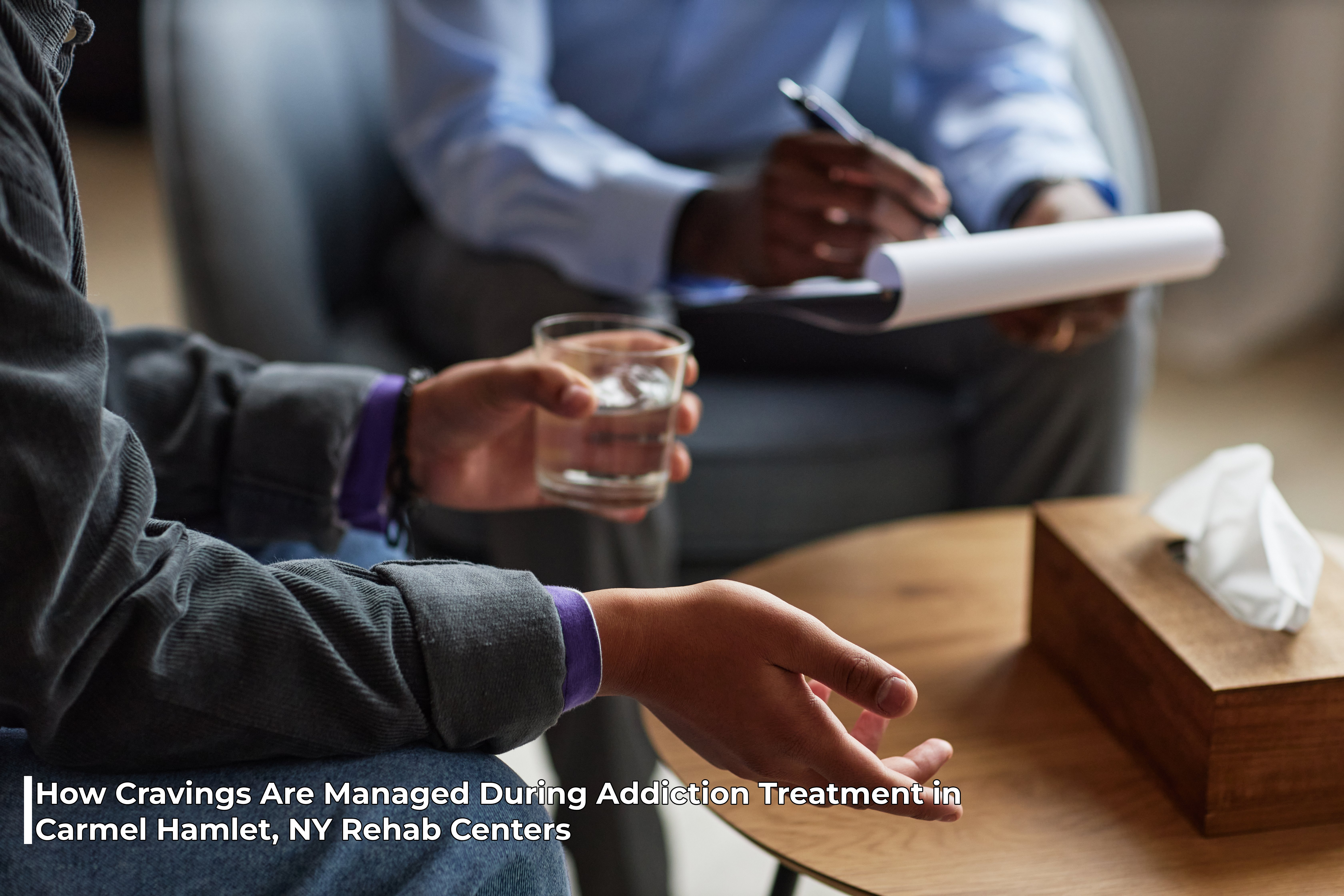
One thing people in early recovery are often not told clearly enough is that cravings are normal. They are not a sign that treatment is not working, that you are not trying hard enough, or that sobriety is beyond reach. Cravings are a predictable neurological feature of addiction. They show up for the vast majority of people going through treatment, and managing them is one of the primary clinical focuses of our inpatient program at Arms Acres.
As a trusted local rehab center in New York, Arms Acres works with patients to build real, practical strategies around cravings, not just reassurances that they will pass. Because they do pass, but knowing that in the middle of one is a different thing entirely.
What Cravings Are and Why They Happen
A craving is an intense urge to use a substance. It is not a character flaw or a measure of personal weakness. It is the output of neural pathways shaped during prolonged substance use, pathways that tie certain cues, emotional states, or physical sensations to the substance, and push a drive toward it when those cues show up.
This is called cue-induced craving, and it is well documented in addiction research. A particular smell, a location tied to past use, a specific emotional state like loneliness or stress, even a time of day that was habitually paired with using. All of these can activate those neural associations and produce a craving that feels physically urgent.
The intensity of that urge has nothing to do with commitment to recovery. It is just the brain responding to conditioning built up over time. You know, that distinction matters more than people think. One of the common challenges people face in addiction recovery is not the craving itself, but the shame that comes with it, which is why understanding the "why" behind it can change how someone moves through it.
If a craving is a conditioned neurological response, then there are specific, practiced methods for interrupting it. And they work.
How Behavioral Therapies Address Cravings
The behavioral therapeutic work at the center of our adult rehabilitation program addresses cravings directly and practically, not as an abstraction but as a specific clinical target.
Cognitive Behavioral Therapy (CBT)
CBT is particularly well suited to craving management. Key elements include:
- Identifying specific thoughts, emotional states, and situational cues that precede cravings
- Developing practiced responses to each trigger
- Learning to recognize the early stages of a craving response and interrupt it before it becomes overwhelming
- Practicing these skills repeatedly during inpatient care so they are accessible in real situations outside of treatment
Motivational Interviewing (MI)
MI addresses a different dynamic, helping patients reconnect with their own motivations for change. Core features include:
- Reconnecting with personal reasons for staying in recovery when cravings feel strong
- Strengthening internal commitment through a structured clinical approach
- Focusing on the individual's own motivations rather than telling someone they should want to be sober
Rational Emotive Behavioral Therapy (REBT)
REBT targets the beliefs that make cravings harder to resist. The approach works by:
- Identifying deep beliefs that a person cannot tolerate the discomfort of a craving
- Directly challenging and restructuring the belief that cravings are unmanageable without substances
- Demonstrating through direct, repeated experience during treatment that craving discomfort is real but manageable
The Role of Medication in Managing Cravings
For patients with opioid use disorder or alcohol use disorder, medication-assisted treatment (MAT) plays a meaningful clinical role in managing cravings alongside behavioral therapy.
Medications for Opioid Use Disorder:
- Vivitrol (injectable naltrexone) and oral Naltrexone block opioid receptors in the brain, reducing the rewarding effects of opioids and, for many patients, reducing craving intensity directly.
- Suboxone (buprenorphine with naloxone) addresses both withdrawal symptoms and cravings during early recovery from opioid use disorder.
Medications for Alcohol Use Disorder:
- Acamprosate (Campral) targets the persistent low-grade cravings that many patients with alcohol dependence experience during sustained early abstinence, the kind that appear not as intense acute episodes but as a constant background pull that wears away at resolve over time.
- Naltrexone reduces the rewarding effects of drinking, making alcohol less reinforcing even when a craving is present.
These medications are prescribed when clinically indicated, based on each patient's specific history and presentation. They address craving at a neurological level that behavioral therapy alone cannot fully reach for many patients with opioid or alcohol use disorder.
How Our Clinical Team Builds Craving Management Into Every Treatment Plan
Craving management is not a module that gets covered once and filed away. It runs throughout the structure of inpatient care from the initial clinical assessment onward.
Intake Assessment
- Gathers information about cues, emotional states, and situations historically tied to the patient's substance use
- Shapes how individual therapy sessions are structured
- Determines which elements of the treatment plan are emphasized
- Identifies what skills receive the most practice during the inpatient stay
Group Sessions
- Address craving management in the context of shared experience
- Hearing another person describe how they handled a specific craving situation, what they noticed, what they did, and what worked is often more instructive than a clinical description of the same technique
- The peer dynamic brings a kind of credibility to the information that the clinical relationship alone does not
Our recovery coaches are part of this picture as well. They bring lived experience with addiction and recovery to their work with patients. During an acute craving, talking with someone who has been through it and come out the other side carries a different kind of weight. That peer perspective complements the clinical support in ways that matter, particularly in the early stages of recovery.
What Happens When Cravings Emerge After Treatment
Cravings do not stop at inpatient discharge. Most people continue to experience them during early recovery, though their frequency and intensity typically decrease over time with sustained abstinence and continued use of the skills built during treatment.
Every patient leaving our program leaves with a relapse prevention plan that addresses this directly. The plan documents the specific triggers most likely to produce cravings for that individual, the strategies that have proven most effective in interrupting them, and the resources available when self-management is not enough.
After discharge, our outpatient treatment programs maintain clinical contact during the period when cravings are most likely to be challenging. Individual sessions, group therapy, and continued medication management where applicable all continue through outpatient care. Transitioning to outpatient is not a reduction in support. It is a continuation of it in a format appropriate to where the patient is in their recovery.
Frequently Asked Questions
Q: Are cravings normal during addiction treatment?
A: Yes. Cravings are a predictable neurological feature of addiction. They arise from conditioned associations built during substance use and do not indicate a failure of treatment or personal commitment to recovery. Managing them is one of the primary clinical focuses of our inpatient program.
Q: What is the most effective way to manage cravings during rehab?
A: There is no single approach that applies to everyone. Our clinical program combines behavioral therapies including CBT, MI, and REBT with medication when clinically indicated, peer support through recovery coaching, and group therapy. The combination is tailored to each patient's specific triggers and history.
Q: Does medication help with cravings?
A: For patients with opioid use disorder or alcohol use disorder, yes. Medications used in MAT, including Naltrexone, Vivitrol, Suboxone, and Acamprosate, address craving intensity and the rewarding effects of substances at a neurological level. These are prescribed when clinically indicated as part of an individualized treatment plan.
Q: How long do cravings last in recovery?
A: Craving intensity typically decreases over time with sustained abstinence, but the timeline varies by individual and by substance. Early recovery tends to be the period of highest intensity. Continued clinical contact through outpatient treatment, and ongoing use of craving management strategies, helps patients navigate this period effectively.
Q: What should I do if I have a strong craving after leaving inpatient treatment?
A: Use the strategies you practiced during inpatient care. The relapse prevention plan you leave with documents your specific triggers and your most effective responses. Our outpatient programs and recovery coaching services are available after inpatient discharge. If a craving feels unmanageable, reaching out for clinical support is the right move, not a sign of failure.
Contact Us
If you or a loved one is seeking compassionate and professional substance use disorder treatment, Arms Acres is here to help. We are available by phone, email, web, and several social networks! Get in touch with us! We would love to hear from you!
Address: 75 Seminary Hill Road, Carmel, NY 10512
Intake: (888) 227-4641
Business Hours: Sunday - Monday: 24 hours
Email: info@armsacres.com
Please fill out this form, and we will get in touch with you shortly.
Related Topics: