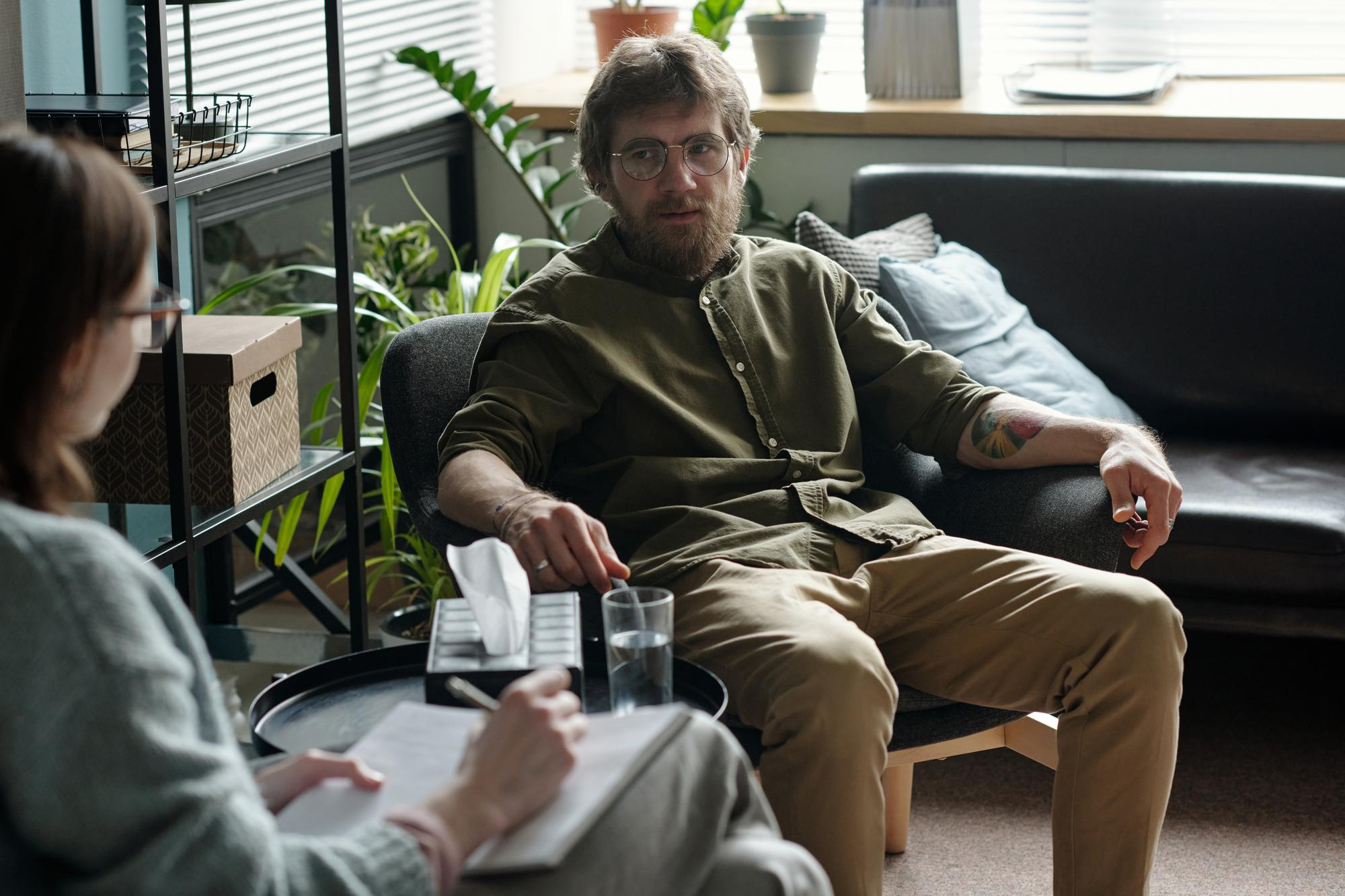
Leaving inpatient rehabilitation is a big moment. For most people, it brings a mix of real relief and real anxiety. The clinical structure that organized every single day of treatment is suddenly gone. The counselors, the medical team, and the peer group you saw every day, they are no longer physically nearby.
The weeks and months after leaving rehab are, honestly, some of the hardest in the whole recovery process. Not because treatment failed. But because everyday life brings stressors and triggers that a structured facility was kind of designed to keep at a distance. That gap is real, and it catches a lot of people off guard.
Recovery coach services exist specifically to fill that gap. As the best drug rehab center in New York, Arms Acres offers recovery coaching as part of how we support people after they leave our inpatient program in Carmel Hamlet, NY. You do not just leave and figure it out alone. That support stays with you.
The Critical Period After Inpatient Discharge
The transition from inpatient care to life outside a treatment facility is not only logistical. It is psychological. A person who has been in a structured clinical environment for several weeks has built routines around that structure.
When the structure ends, even people who did excellent work during treatment can feel uncertain about how to organize their time, handle difficult emotions, or respond to familiar environments that carry old associations.
None of that uncertainty reflects a failure of treatment. It is a predictable feature of the post-discharge period that any effective aftercare plan should anticipate. Supporting continued recovery after rehab is exactly what recovery coaching is built for.
A coach provides a consistent, personal point of contact during the weeks and months when a person is building new routines outside the treatment environment. Having that steady presence provides real grounding when the rest of life feels variable.
What a Recovery Coach Does in the Weeks After Rehab
A recovery coach's work in the post-discharge period is practical and relational. They:
- Check in regularly
- Help clients stay connected to their outpatient treatment appointments
- Offer guidance when situations become complicated, such as:
- Helping someone navigate a difficult conversation with a family member
- Working through the anxiety of returning to a job
- Identifying early warning signs that a client's recovery is under stress before those signs develop into a crisis
Coaches also help people stay connected to their support networks, including:
- Outpatient clinic attendance
- Peer support groups
- Any other structured supports identified as part of the discharge plan
Having someone who actively follows up on those connections, rather than simply encouraging them in a discharge conversation, significantly changes how likely a person is to follow through during the disorienting early weeks after leaving a residential facility.

Peer Mentorship vs. Clinical Counseling: Understanding the Difference
Recovery coaching and clinical counseling serve different but complementary functions.
Clinical counseling at our outpatient clinics in the Bronx and Carmel provides structured, evidence-based therapy using approaches like Cognitive Behavioral Therapy (CBT) and Medication-Assisted Treatment (MAT). Licensed social workers and certified counselors address the therapeutic and medical dimensions of substance use disorder (SUD) during those sessions.
A recovery coach operates differently. Their relationship with a client is less formal in structure but no less intentional in purpose. They do not provide therapy or clinical diagnosis. What they offer is the kind of consistent, personal accountability that comes from a peer relationship with someone who has lived through addiction and recovery themselves.
That lived experience changes the support dynamic in ways professional training alone does not. Many people find that having both clinical counseling and recovery coaching during the post-discharge period provides a more complete safety net than either does alone.
Who Benefits Most from Post-Rehab Recovery Coaching
Recovery coaching after discharge is most valuable for people in the first three to six months after inpatient care. That is the period when:
- Risk is highest
- New routines are most fragile
- The experience of stability or instability has the most influence on long-term outcomes
People who have experienced relapse after previous treatment attempts often see particular value in recovery coaching. A coach can:
- Help identify patterns that preceded previous relapses
- Monitor for those same patterns in the current recovery
- Provide a personal point of accountability that catches warning signs before they become emergencies
For families of people in early recovery, knowing that a coach is actively engaged with their loved one can reduce the anxiety that accompanies that period for everyone in the household.
How Recovery Coaching Connects to Ongoing Treatment
Recovery coaching works best when it is part of a broader aftercare plan rather than a standalone service. At Arms Acres, we plan for post-discharge support beginning during the inpatient stay, not at the moment of discharge:
- Outpatient clinic assignments are made
- Follow-up appointments are scheduled
- Recovery coaching is introduced as part of the transition rather than added on later
Our outpatient clinics in the Bronx and Carmel provide continued clinical care for people who have completed inpatient treatment with us. Our monthly Alkathon alumni program brings former patients back to our Carmel campus for peer support and community connection.
Recovery coaching connects these elements, providing a personal point of contact that stays consistent through transitions between formal clinical appointments.
Frequently Asked Questions
The following questions come from people in Carmel Hamlet, NY, who are preparing for discharge or who have recently left inpatient treatment, as well as from family members trying to understand what post-rehab support looks like. We have answered the most common ones here.
If your situation requires a more specific conversation, our team is available anytime. Every recovery is different, and the answers below provide a starting point rather than a complete picture of what support can look like.
What does a recovery coach do after someone leaves rehab?
A recovery coach provides consistent personal support during the post-discharge period. They check in regularly, help clients stay connected to outpatient appointments and peer support networks, offer accountability, and provide guidance when everyday situations become difficult to navigate.
How long does someone typically work with a recovery coach?
The length varies depending on the person's needs and circumstances. Many people benefit most from recovery coaching during the first three to six months after discharge, when the risk of relapse is highest. Coaching can continue beyond that period if it remains valuable.
Is recovery coaching the same as outpatient therapy?
No. Outpatient therapy is delivered by a licensed clinical professional using structured evidence-based methods. Recovery coaching is peer-based support provided by someone with lived experience in addiction and recovery. The two serve different functions and work most effectively together rather than as substitutes for each other.
Does Arms Acres offer recovery coaching after discharge?
Yes. We provide recovery coaching as part of our post-discharge support, alongside outpatient treatment at our clinics and our monthly Alkathon alumni program. Our recovery coaches have personal experience with addiction and recovery.
How does recovery coaching help reduce relapse risk?
Recovery coaching provides consistent accountability and a trusted point of contact during the period when most relapses occur. A coach can help identify early warning signs, support connection to clinical services, and provide the kind of personal, peer-level support that clinical appointments alone cannot always offer.
Contact Us
If you or a loved one is seeking compassionate and professional substance use disorder treatment, Arms Acres is here to help. We are available by phone, email, web, and several social networks! Get in touch with us! We would love to hear from you!
Address: 75 Seminary Hill Road, Carmel, NY 10512
Intake: (888) 227-4641
Business Hours: Sunday - Monday: 24 hours
Email: info@armsacres.com
Please fill out this form, and we will get in touch with you shortly.
Related Topics: