.jpg)
Getting sober is not only about therapy appointments, medication, or medical care. Those parts matter, but so does being around people who understand what recovery feels like firsthand. At a holistic rehab center, peer support can give patients a sense of connection that is hard to get anywhere else. It reminds them that they are not the only ones trying to rebuild their life.
What Peer Support Actually Means in Treatment
Peer support means spending time with people who have been through addiction and recovery themselves. That may happen in group counseling, recovery coaching, shared meetings, or alumni events after treatment ends. It is not the same as clinical care, and it is not meant to replace it. It gives patients another kind of support that feels more personal and immediate.
A therapist helps patients understand behavior, emotions, and treatment goals. A peer brings lived experience and a different kind of credibility. When someone says they know how early recovery feels because they have lived it, that can land in a very real way. For many patients, that helps lower some of the shame and distance they may still feel.
Group Therapy as a Core Peer Support Structure
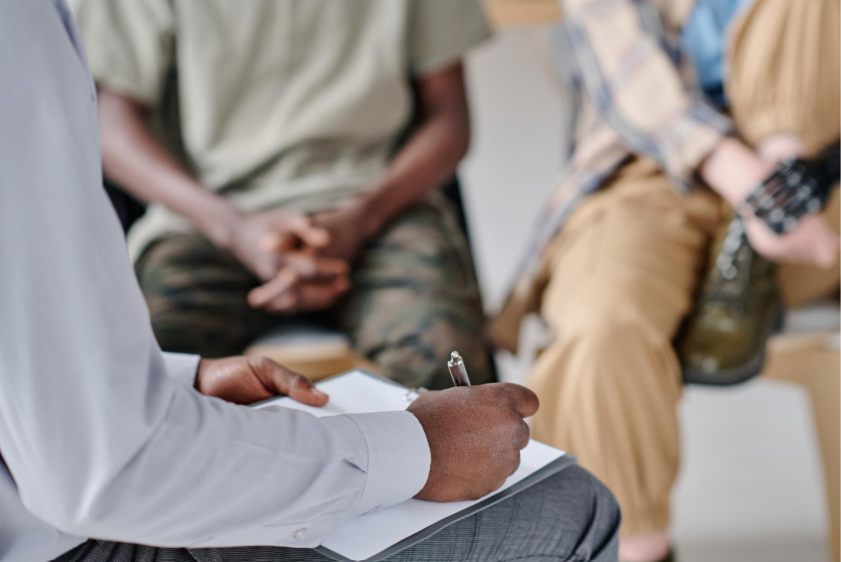
Group therapy is often where this support feels easiest. Patients hear other people talk about fear, cravings, guilt, family tension, and the stress of starting over. A lot of people come into treatment feeling like no one could really understand what they have been carrying. Group work often changes that pretty quickly.
It also helps people practice how they relate to others. They learn to listen, speak honestly, and handle feedback without shutting down. That matters because recovery does not happen in a bubble. The ability to stay present with others is part of the work, and group therapy provides patients with a place to start doing so.
Recovery Coaching: Peer Support With Structure and Training
Recovery coaching takes peer support and gives it more structure. A recovery coach is not a therapist, but they are trained to help people stay connected to the habits and goals that support sobriety. This can be especially useful after treatment, when daily life starts to fill back up, and old pressure begins to return. That period can feel shaky, even for someone who wants to stay on track.
A coach can help with routines, accountability, and practical next steps. That might mean talking through work stress, family pressure, or how to stay steady when the treatment schedule is no longer there every day. The value is not that they have all the answers. It is that they understand how real those first stretches outside treatment can feel.
Alumni Programming and Long-Term Connection
Alumni support helps people stay connected after treatment ends. That matters because leaving rehab can feel strange, even when someone is ready. The structure and pace change, and old feelings can come back in ways that catch people off guard. Staying connected through community support groups can make that shift feel less lonely.
It also helps current patients see recovery more believably. Hearing from someone who has already been through treatment and kept going can make the future feel less abstract. It is one thing to be told that recovery is possible. It is another thing to meet people who are actually living it.
Peer Support Across the Continuum of Care
Peer support matters at every stage of treatment, not only at the beginning. In inpatient care at Carmel Hamlet, patients are surrounded by others who are trying to make the same kind of change. In outpatient care at our clinics in Carmel, the Bronx, and Queens, that connection can continue through group work and other programming. After formal treatment, recovery coaching and alumni support can help sustain that sense of connection.
That continuity matters because recovery changes over time. What helps a person during inpatient care may not be the same thing that helps them months later. Keeping peer support in the picture gives people another steady point to hold onto. It can make recovery feel less like a single program and more like an ongoing process.
Accreditation and Access
We are accredited by the Joint Commission and certified by New York State OASAS, SAMHSA-certified as an Opioid Treatment Program, and CARF-accredited. We accept Medicaid, Medicare, and most private insurance plans. To learn more about treatment or get started, call (888) 227-4641. Our intake team is available 24 hours a day, 7 days a week.
For outpatient services, you can also contact our Carmel clinic at (845) 704-6133, our Bronx clinic at (718) 653-1537, or our Queens clinic at (718) 520-1513.
Related Topics: