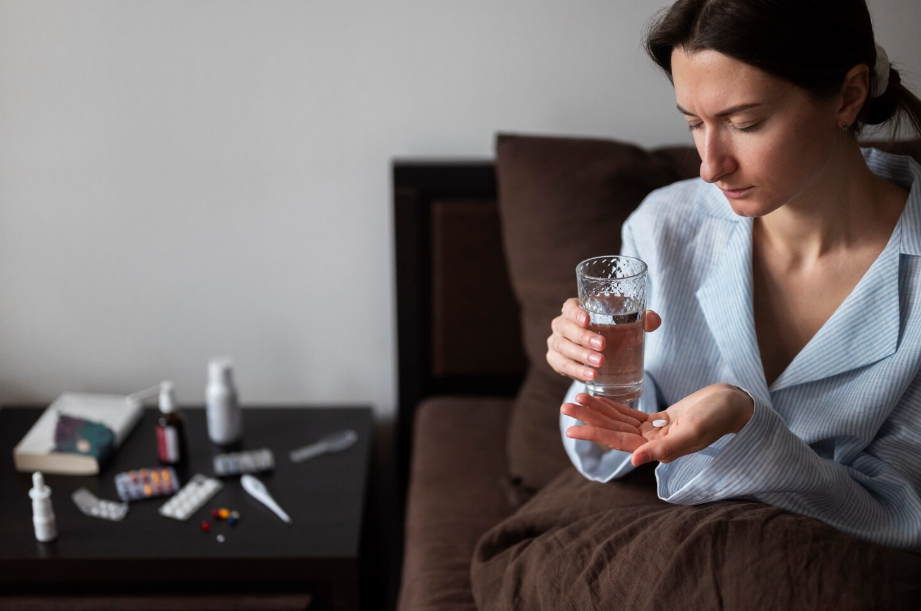
If you’re thinking about cutting back or quitting drinking, there are a few medications that can help make it less overwhelming. Things like Disulfiram, Acamprosate, Naltrexone, Topiramate, Baclofen, and Gabapentin all work a little differently. Some reduce cravings, some make drinking unpleasant, and others change how your brain responds to alcohol. At a reliable alcohol detox facility, these options are combined with support so people have the best chance at sticking with it.
Disulfiram
Disulfiram is often suggested for people who want a strong deterrent from drinking. It causes nausea, flushing, or vomiting if alcohol is consumed, which makes drinking much less appealing. It’s not something to try on your own; you need medical supervision, because reactions can be serious. People who are motivated and committed tend to do best with it, and check-ins with a healthcare provider help make sure it’s working as intended.
Acamprosate
Acamprosate works a bit differently. It reduces cravings and helps keep people from relapsing by calming some of the overactive brain signals caused by long-term drinking. It tends to work best when paired with counseling or support, because alcohol use is more than just a physical habit. Most people tolerate it well, and it has fewer side effects than other options. Talking with a doctor will help figure out if it fits your situation.
Naltrexone
Naltrexone is another option that can make alcohol less rewarding. It blocks certain receptors in the brain that makes drinking feel good, so cravings and enjoyment drop. People who struggle to control drinking often find it easier to stay sober while using it. As always, a healthcare provider should guide this one, because it needs to match your health and circumstances.
Topiramate
Topiramate started as a treatment for migraines and epilepsy, but it can also help reduce heavy drinking. It changes how the brain reacts to alcohol, so drinking isn’t as appealing. Some studies show it can increase the number of alcohol-free days, though side effects like tingling or thinking difficulties can happen. Doctors usually monitor patients closely to make sure they’re helping and not causing problems.
Baclofen
Baclofen isn’t as well-known but has gained attention for reducing cravings. It works on the brain’s reward system, which can make cutting back a little easier. Research is still growing, but it’s been helpful for some people who want to reduce alcohol use. Like all medications, it should be used with guidance from a healthcare professional.
Gabapentin
Gabapentin can be useful for managing withdrawal symptoms and calming cravings. It affects neurotransmitters like GABA, which play a role in anxiety and urge control. When combined with other support, it can help people stick to their goals. Checking with a doctor first is important to make sure it’s safe and fits your needs.
Related Topics: