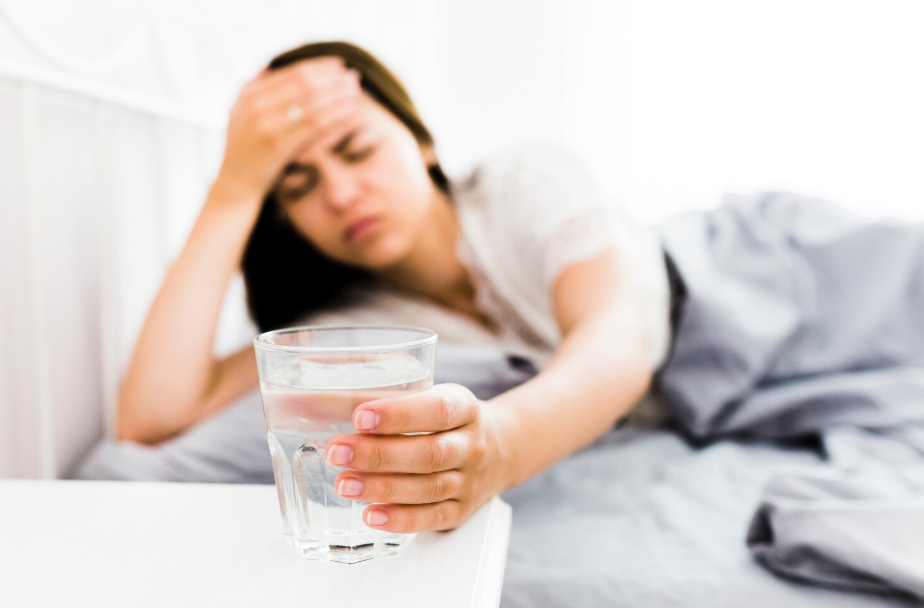
Alcohol withdrawal hits people in different ways, and honestly, it can be pretty rough. Some notice hands shaking or sweating a lot, while others feel nauseous or get headaches that just won’t quit. Your mind can also feel foggy, slow, or scattered. At a reputable alcohol treatment center, staff keep an eye on all this so it doesn’t spiral out of control.
Physical Symptoms
The body reacts quickly when alcohol stops, and it shows in physical ways. Tremors, sweating, headaches, and nausea can all come at once or just one at a time. How bad it gets often depends on how long someone has been drinking and how much. Staying hydrated, eating little by little, and having medical help nearby make it a lot easier to handle.
Even small tremors can feel scary, especially if you’re not expecting them. Doctors watch everything and sometimes give medication to help calm things down. It’s weird how just a little water or food can make a difference. Your body needs time to adjust.
Psychological Symptoms
Withdrawal messes with your head, too. Anxiety, irritability, low moods, or feeling confused are common. Your brain is trying to cope without alcohol, and it doesn’t do it quietly. Talking to someone, even just for a few minutes, can make a difference.
A short walk or stretching helps. Keeping a routine helps too, even if it feels pointless at first. These feelings won’t last forever, though they might feel endless. Support makes it less overwhelming.
Autonomic Nervous System Hyperactivity
You might notice your heart racing or your hands shaking more than usual. That’s your nervous system going into overdrive. It can be alarming, but it’s the body trying to balance itself. Doctors watch for extreme cases, just in case medication is needed.
Even mild shaking is a sign your body is reacting. Treatment centers make sure someone is there to adjust care if things get worse. It’s temporary, but it can feel intense. Having staff nearby gives a sense of safety.
Gastrointestinal Symptoms
Stomach problems pop up quickly after stopping alcohol. Nausea, vomiting, and pain are common. Appetite might drop, and dehydration can sneak up if vomiting happens a lot.
Bloating, cramps, and diarrhea can also appear. These symptoms are frustrating and draining. Medical support helps keep nutrition and hydration on track. It makes the whole withdrawal process feel a little more manageable.
Cognitive Symptoms
Your thinking can feel off during withdrawal. Memory slips, slow processing, and confusion are common. Even simple tasks can seem harder than usual.
If confusion worsens, it might signal a severe withdrawal episode. Support and monitoring help the brain readjust safely. Knowing this is temporary helps people get through it. It’s all part of recovery, and help makes it less scary.
Sleep Disturbances
Sleep is often messed up when someone’s going through withdrawal. Falling asleep, staying asleep, and having vivid dreams are all issues that can pop up. Sometimes people feel completely exhausted during the day, even after sleeping for hours.
Poor rest makes everything else harder: headaches, irritability, and nausea all feel worse. Small adjustments, like quiet routines or calming environments, help. Doctors or staff can suggest ways to improve sleep safely. Even tiny improvements in rest can make withdrawal less overwhelming.
Related Topics: