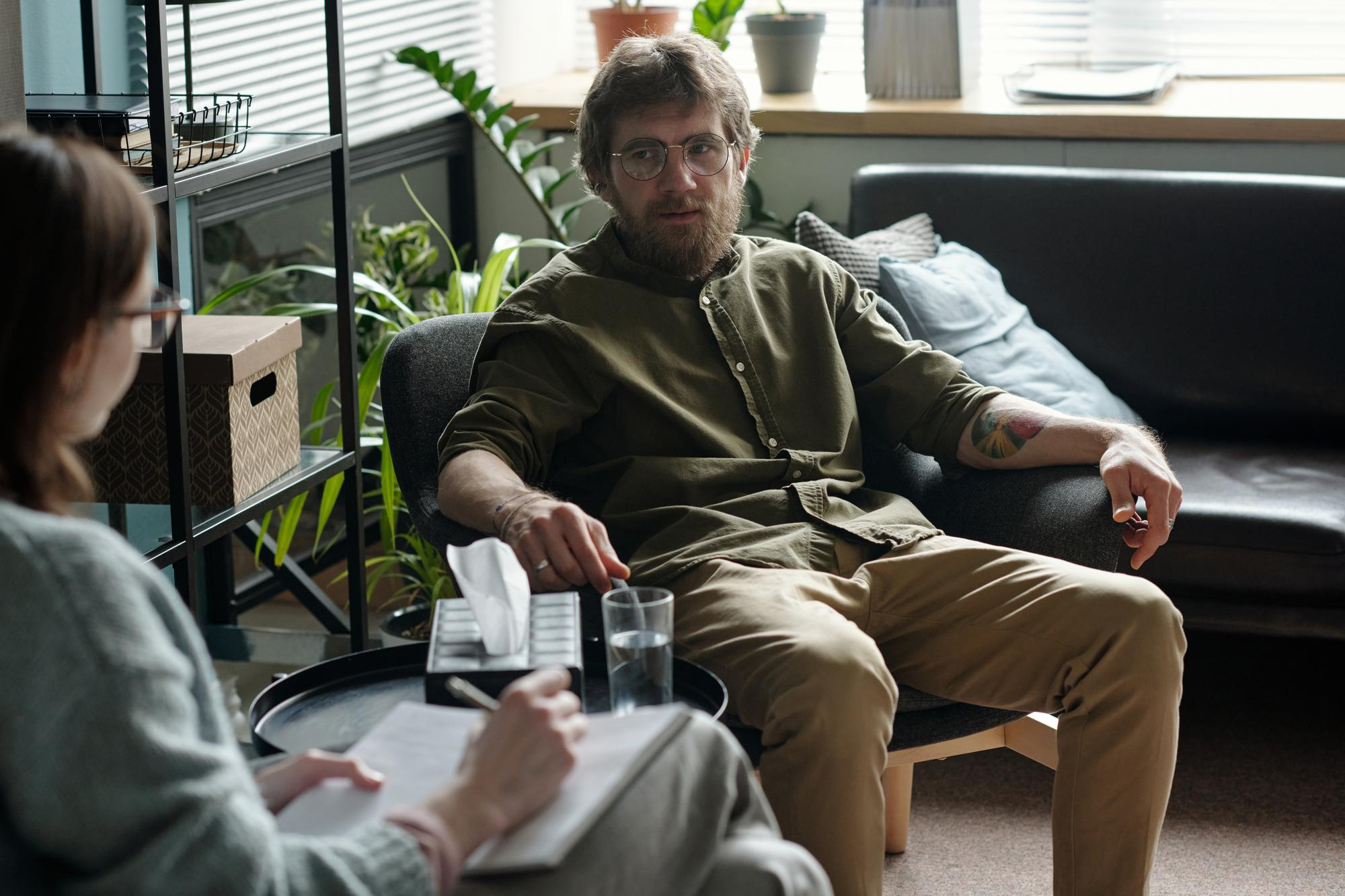
Dialectical Behavior Therapy, or DBT, can help people in addiction treatment deal with the moments that often lead to relapse: cravings, emotional swings, conflict, shame, and stress. In a professional inpatient program, these skills give patients practical ways to pause, think, and respond differently. At Arms Acres in Carmel Hamlet, NY, treatment focuses on substance use and mental health together because the two are often connected.
What Is DBT?
DBT is a type of therapy that helps people balance acceptance and change. That means learning to face what is happening right now while also working to change harmful patterns.
It was developed by psychologist Marsha Linehan in the late 1980s. It was first used for borderline personality disorder, but it is now used in many treatment settings, including addiction care. DBT is especially useful for people who use substances to cope with pain, trauma, anxiety, anger, or emotions that feel too big to handle.
The Four Core Skills of DBT
DBT teaches four main skill areas. Each one has a clear role in recovery.
Mindfulness helps patients notice what they are thinking and feeling without reacting right away. This is useful when a craving hits or when a trigger shows up unexpectedly.
Distress tolerance teaches people how to get through a hard moment without making it worse. For many patients, alcohol or drugs became the way they got through stress. DBT gives them other tools to use instead.
Emotional regulation helps patients understand their feelings and manage them with more control. This matters because intense sadness, anger, fear, or shame can all lead back to substance use.
Interpersonal effectiveness focuses on relationships. Patients learn to communicate, set boundaries, handle conflict, and ask for help without risking recovery.
How DBT Applies to Addiction Recovery
Early recovery can feel raw. The body is adjusting, emotions are stronger, and old coping habits remain. DBT gives patients something concrete to do when those moments come up.
Instead of being told only to avoid relapse, patients learn how to handle the pressure that comes before it. They practice calming themselves, tolerating discomfort, naming what they feel, and choosing responses that support recovery.
This can be especially helpful for people who have tried treatment before and struggled after leaving. Often, the issue is not a lack of wanting to recover. It is that the person did not yet have enough tools to handle the emotions and situations awaiting them outside treatment.
DBT and Co-Occurring Mental Health Conditions
Many people entering addiction treatment are also dealing with depression, anxiety, PTSD, bipolar disorder, or another mental health condition. This is often called dual diagnosis. In these cases, addiction treatment works better when mental health is treated at the same time.
DBT is useful because it gives patients structure. Someone dealing with trauma, panic, mood swings, or relationship stress needs more than general advice. They need skills they can practice when life feels overwhelming.
Treating only the substance use while ignoring the mental health side can leave a major relapse trigger in place. That is why integrated care matters.
Evidence-Based Treatment at Arms Acres
At Arms Acres in Carmel Hamlet, NY, our inpatient rehabilitation program uses evidence-based approaches for addiction and co-occurring mental health concerns. The adult program includes Cognitive Behavioral Therapy, Motivational Interviewing, Trauma-Informed Care, and Rational Emotive Behavioral Therapy.
CBT and DBT both focus on how thoughts, emotions, and behaviors connect. Trauma-Informed Care also supports this work because trauma often plays a role in emotional dysregulation and substance use.
Psychiatric services are built into inpatient care. Patients with co-occurring mental health concerns receive a psychiatric evaluation during intake and ongoing support during treatment. Addiction and mental health are not treated as separate problems. They are addressed together in the same care plan.
Arms Acres is Joint Commission-accredited, licensed by New York State OASAS, and holds a SAMHSA-certified Opioid Treatment Program designation. After inpatient treatment, patients can continue care through outpatient programs in the Bronx, Queens, and Carmel.
Call our 24/7 intake line at (888) 227-4641 to speak with an intake coordinator, verify insurance, and begin the admissions process.
Related Topics: